
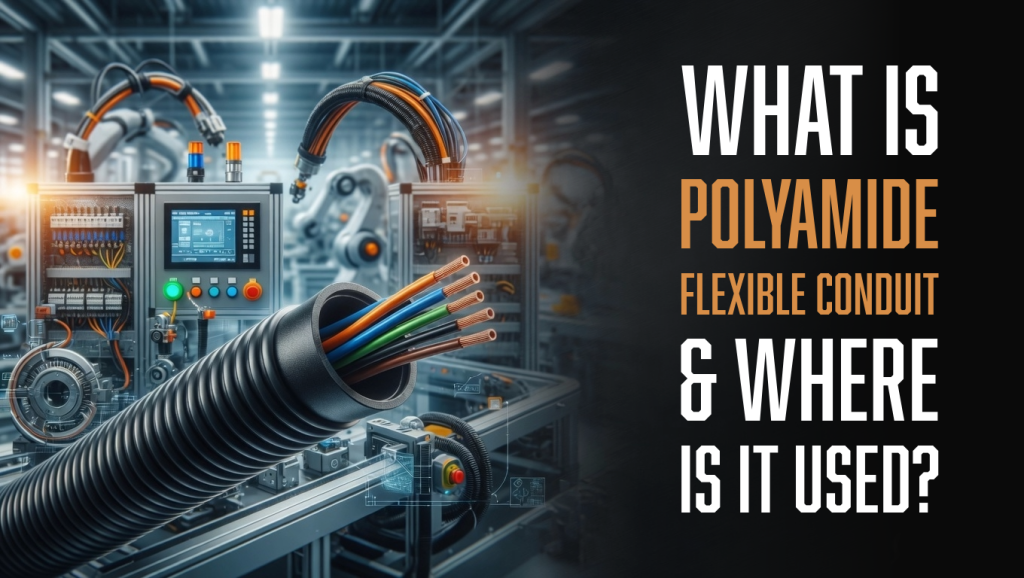
If you’ve ever dealt with electrical installations in a factory, a car engine bay, or even a solar farm, you know how much of a headache cable protection can be. Wires get yanked, rubbed raw, soaked in oil, or baked by the sun — and suddenly your whole system is down. That’s where polyamide flexible conduit comes in. It’s one of those unsung heroes in modern electrical and industrial work: tough, super flexible, and built to last in the kind of environments that destroy ordinary cable covers.
I’ve seen it used everywhere from robotic arms on assembly lines to wiring harnesses in high-speed trains, and honestly, once you start using it, it’s hard to go back to anything else. So let’s break it down — what exactly is this stuff, why does it rock, and where do people actually put it to work?
What Is Polyamide Flexible Conduit?
Simply put, a polyamide flexible conduit is a protective tube made from high-grade nylon (polyamide, usually PA6 or PA12). It slips over electrical cables and wires to shield them from mechanical damage, moisture, dust, chemicals, vibration — you name it.
Unlike rigid metal pipes or flimsy plastic sleeves, these conduits are corrugated, which gives them that signature bend-without-breaking ability. You can snake them through tight spaces, around moving parts, or inside control panels without worrying about cracks or kinks. Lightweight too, which makes installation way less of a back-breaking chore compared to steel conduit.
Key Features That Make It Stand Out
What really sets polyamide conduit apart is how it handles real-world punishment. Here’s what you get:
- High Flexibility – It bends easily around corners and machinery without cracking, even in tight spots.
- Serious Mechanical Strength – Excellent resistance to impact, compression, abrasion, and constant vibration. I’ve seen it survive years of non-stop machine movement.
- Wide Temperature Range – Works great in both scorching heat and freezing cold, which is perfect for outdoor or engine-bay applications.
- Chemical Resistance – Laughs at oils, fuels, solvents, and most industrial chemicals.
- Lightweight & Easy to Work With – Way lighter than metal, so you’re not lugging around heavy pipes all day.
- Flame Retardant – Many grades meet strict safety standards, giving you that extra peace of mind in high-risk setups.
- UV & Weather Resistance – Special versions hold up fine outdoors under direct sunlight and rain.
Why People Actually Choose It (The Real Advantages)
Beyond the specs, the practical wins are huge. Using polyamide flexible conduit means longer cable life, fewer surprise failures, and way less maintenance down the road. Installation is quicker, cable runs look cleaner, and everything stays better organized.
It shines especially in dynamic applications where cables are constantly moving — think robotic arms or vibrating equipment. You get solid protection without sacrificing flexibility, which is something a lot of other conduit types just can’t match.
Different Types Available
Not all polyamide conduits are the same. Manufacturers offer several varieties depending on what you need:
- Standard Polyamide Conduit – Great for everyday industrial and electrical jobs.
- Heavy-Duty – Built for extra impact and crushing resistance in rougher environments.
- Split Conduit – Has a lengthwise slit so you can slip it over existing cables without disconnecting anything — super handy during retrofits.
- UV-Resistant – Perfect for outdoor and solar installations.
- Flame-Retardant – The go-to choice for railways, automation systems, and anywhere fire safety is non-negotiable.
Where Polyamide Flexible Conduit Is Used
This stuff shows up in more places than you might think. Here are the big ones:
- Industrial Automation PLC cabinets, robotic arms, CNC machines, sensors — anywhere cables need to move smoothly without getting damaged.
- Electrical Panels & Control Cabinets Keeps wiring neat and protected from sharp edges, heat, and vibration inside panels.
- Automotive Industry Engine wiring, sensor cables, battery harnesses, and lighting systems all benefit from its heat and chemical resistance.
- Railways Coaches, signaling equipment, and electrical compartments — flame-retardant grades handle the constant vibration and outdoor exposure like pros.
- Renewable Energy & Solar UV-resistant versions protect cabling on solar farms from sun, dust, and weather.
- Robotics & Moving Equipment The flexibility and abrasion resistance make it ideal for cable tracks on robots and automated systems that flex millions of times.
- Construction & Infrastructure HVAC, lighting, security systems, and even some underground runs in commercial buildings.
Polyamide vs PVC Flexible Conduit (Quick Comparison)
If you’re trying to decide between polyamide and the more common PVC conduit, here’s how they stack up:
| Feature | Polyamide Conduit | PVC Conduit |
|---|---|---|
| Flexibility | Excellent | Good |
| Mechanical Strength | High | Medium |
| Heat Resistance | Better | Moderate |
| Chemical Resistance | Excellent | Limited |
| Durability | Long-lasting | Standard |
| Best For | Heavy-duty industrial | General purpose |
Bottom line? PVC is cheaper and fine for light jobs, but when things get tough, polyamide is usually worth the extra investment.
How to Pick the Right One
Choosing isn’t rocket science, but a few things matter: cable diameter, operating temperature, chemical exposure, whether it’s indoor or outdoor, and how much flex or compression strength you need. Always check flame-retardant ratings if you’re in a high-safety area. Getting this right upfront saves a ton of headaches later.
Final Thoughts
Polyamide flexible conduit might not be the flashiest part of an electrical system, but it’s one of the smartest choices you can make for long-term reliability. Whether you’re building the next automated factory line, wiring up an electric vehicle, or protecting solar arrays out in the desert, it just works — quietly, reliably, and for a very long time.
If you’re in the middle of a project and wondering what to use for cable protection, give polyamide conduit a serious look. It’s one of those products that makes you wonder why you didn’t switch sooner.
Got questions about sizing or specific grades? Drop them in the comments — happy to help!